Blog / What Is Ninjutsu? A Beginner's Guide to the Art of the Ninja
What Is Ninjutsu? A Beginner's Guide to the Art of the Ninja
 Craig Guest · · 4 min read
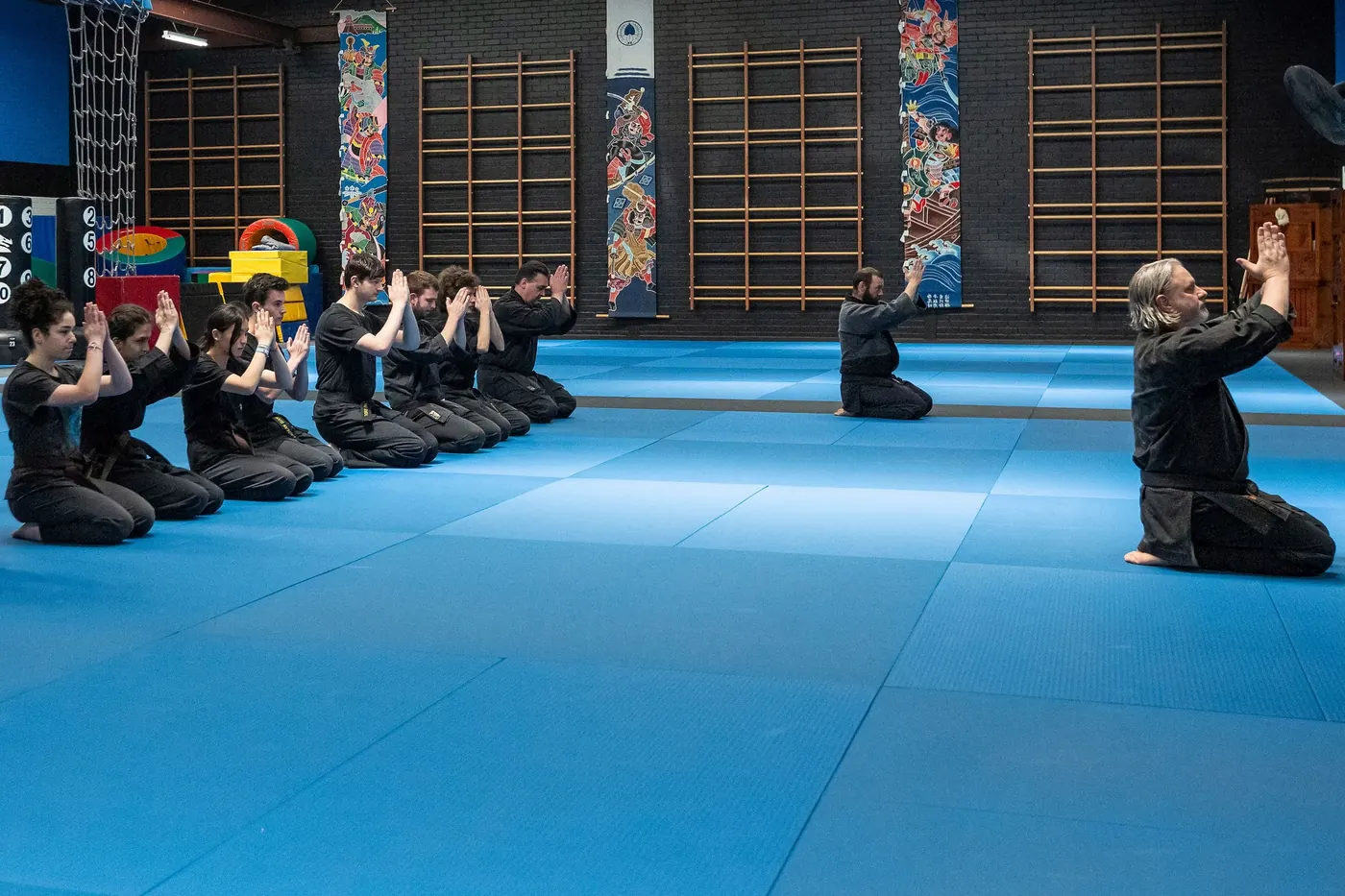
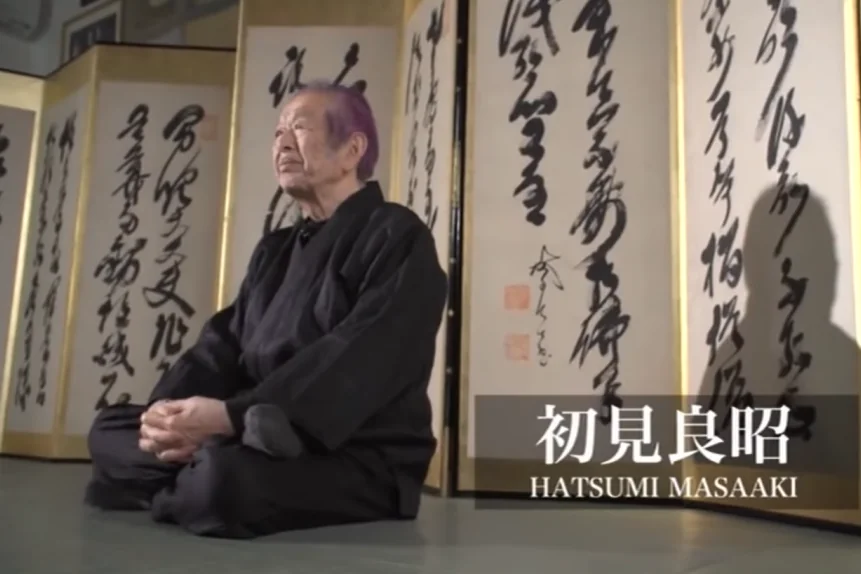
Ninjutsu is the martial art of the ninja: a Japanese system of unarmed self defence, movement and traditional weapons. Today it is mostly taught through the Bujinkan, the international organisation founded by Grandmaster Masaaki Hatsumi, which brings together nine traditional Japanese schools. Here is a plain-English guide to what ninjutsu is, where it comes from, what you actually learn, and how to get started in Melbourne.
What does ninjutsu mean?
The word is written 忍術 in Japanese. Nin is usually translated as endurance, perseverance or stealth, and jutsu means art or technique. So ninjutsu is often described as "the art of endurance" or "the art of stealth". You will also hear the word ninpō, which puts more weight on the philosophy and way of life behind the techniques.
Ninjutsu, ninjitsu or ninjustu?
All three spellings turn up online, but the correct one is ninjutsu. "Ninjitsu" is a very common misspelling (it would change the meaning of the second half of the word), and "ninjustu" is just a typo. If you searched for ninjitsu, you are in the right place.
Where does ninjutsu come from?
The ninja are most closely linked to the mountain regions of Iga and Kōga in central Japan, especially during the Sengoku (warring states) period of the 15th and 16th centuries. Historians still debate many details of how the ninja really operated, and a lot of what people "know" about them comes from later theatre, books and films. Our post on ninja history: myth vs fact sorts the stories from the history.
What is certain is how the art reached the modern world. Toshitsugu Takamatsu, one of the last of the old ninja masters, passed the grandmastership of nine traditional schools to his student Masaaki Hatsumi before he died in 1972. Hatsumi, who trained under Takamatsu for around 15 years, became the 34th grandmaster of Togakure-ryū Ninpō and founded the Bujinkan Dojo in Noda, Japan. It is now taught all over the world.
What is Bujinkan Ninjutsu?
Bujinkan Ninjutsu, formally called Bujinkan Budo Taijutsu, is the martial art taught by the Bujinkan. It unites nine schools (ryū): three ninja traditions and six samurai traditions. That mix is why Bujinkan training covers so much: unarmed self defence, strikes, joint locks, throws, movement, and a full range of traditional weapons. You can read about the nine schools and Grandmaster Hatsumi on our Bujinkan Ninjutsu page, or in our post on the nine schools of the Bujinkan.
What do you learn in ninjutsu?
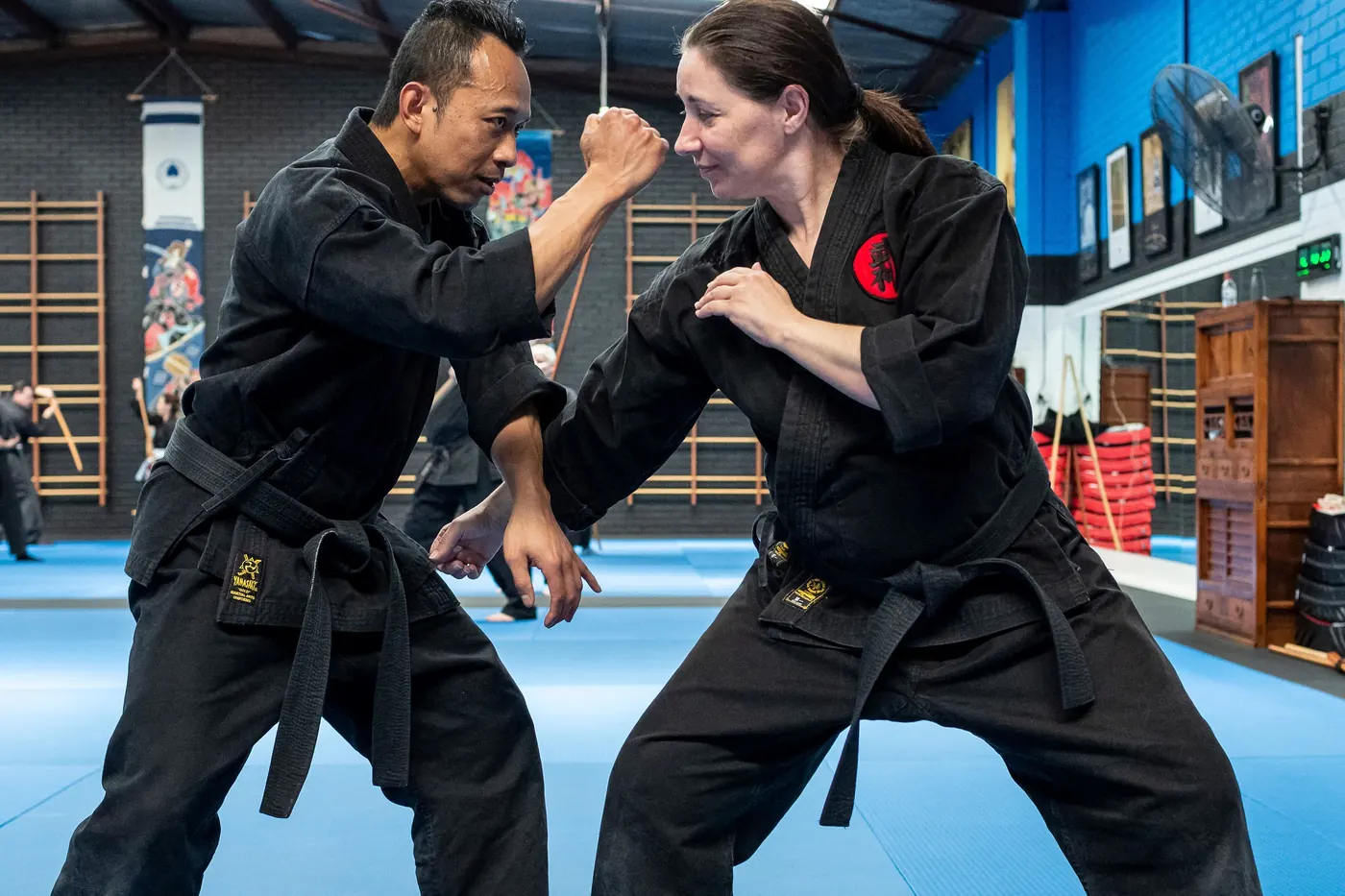
Forget smoke bombs and disappearing acts. Real ninjutsu training looks like practical martial arts, practised with a partner:
- Taijutsu (body skills): posture, footwork, distance and timing, so technique does the work instead of strength. Our post What is taijutsu? explains it in detail.
- Rolling and breakfalls (ukemi): how to fall and roll safely, which is useful well beyond the dojo.
- Strikes, joint locks and throws: how to take an attacker's balance and control them.
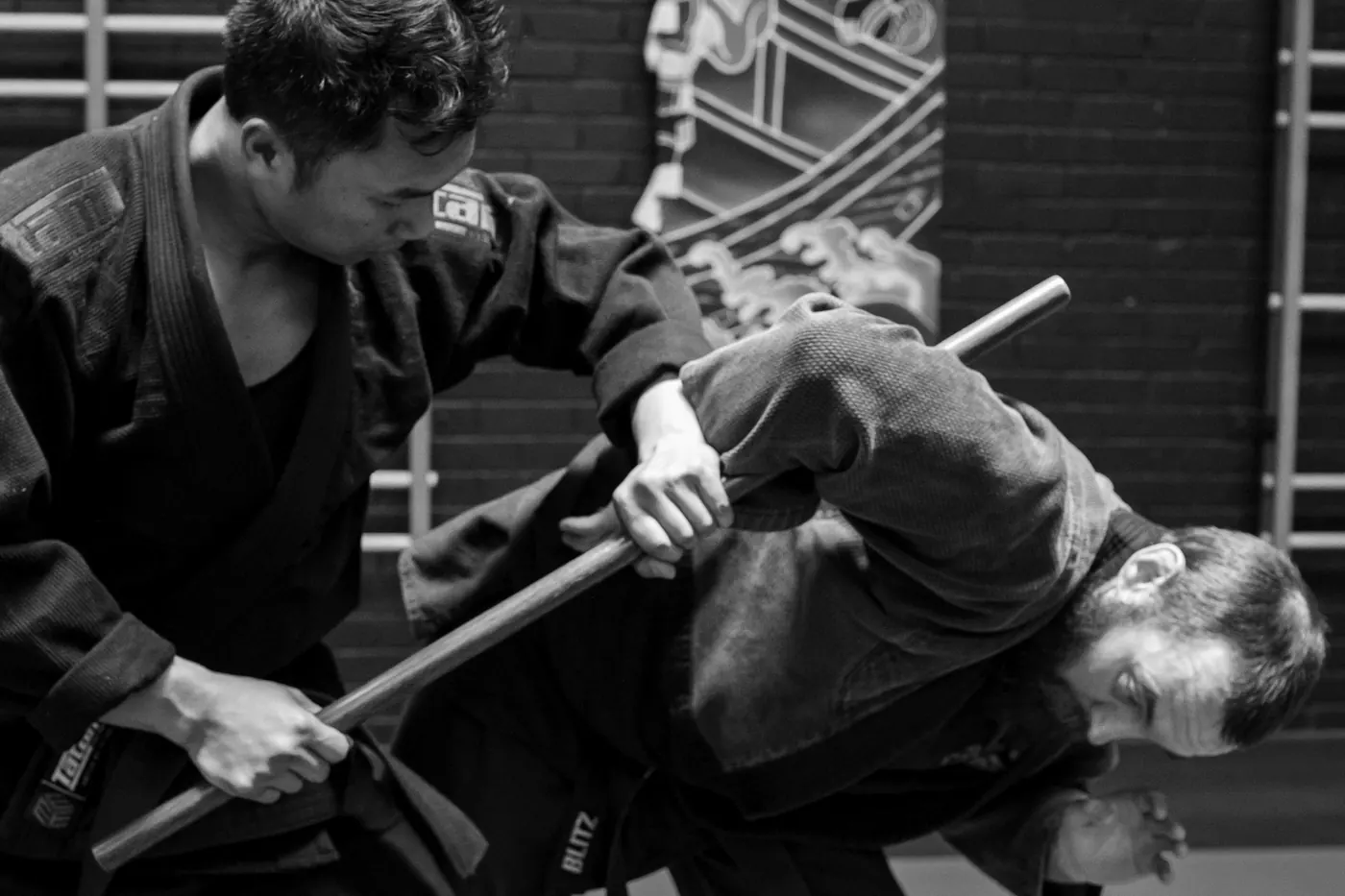
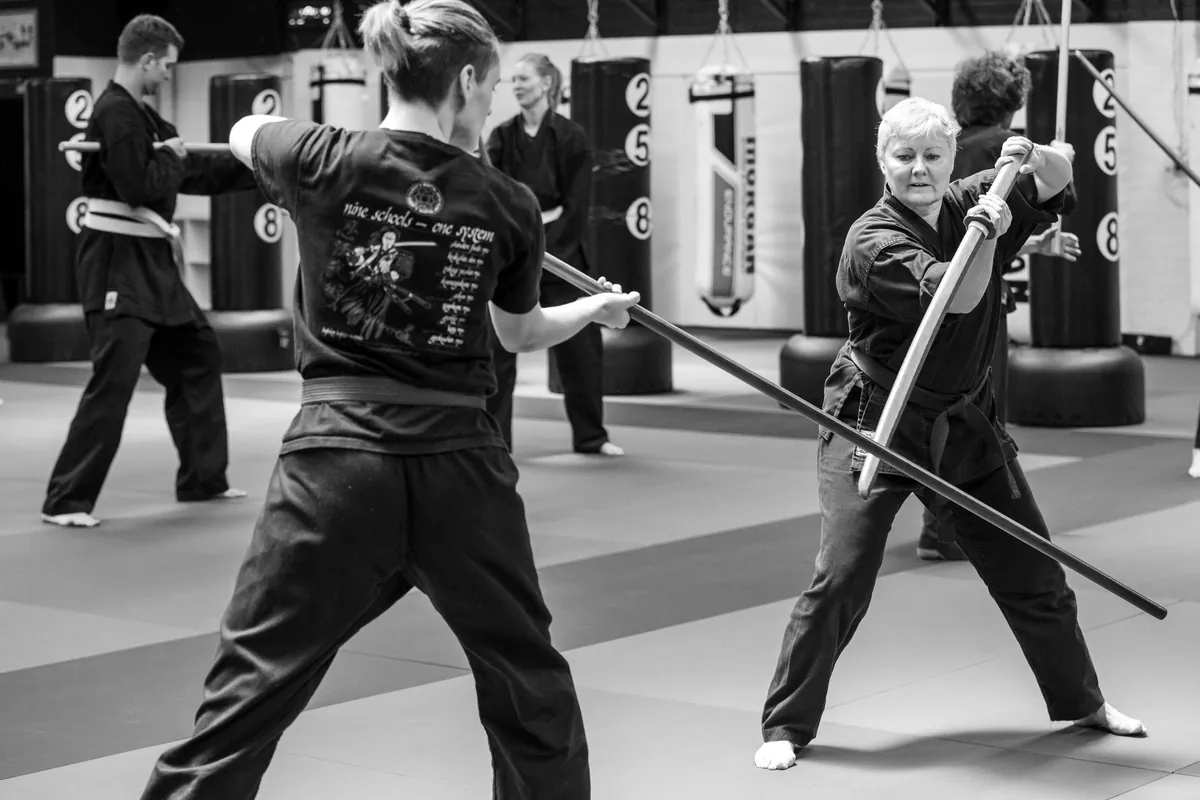
- Traditional weapons: wooden weapons such as the bo, jo and hanbo staffs, flexible weapons such as rope and kusari fundo, sword, and shuriken. Weapons are trained with safe wooden or foam replicas.
Is ninjutsu a real martial art, and does it work?
Yes, it is real: a living art handed down from teacher to student in Japan, with students around the world. Whether it works depends on how it is trained. One fair criticism of some ninjutsu schools is that they never test their techniques against a resisting partner.
At Ninjutsu Melbourne we do. Students test their training through sparring (randori), pressure testing against multiple attackers, and friendly throwdowns against people from other martial arts styles. Our post Is ninjutsu real, and does it work? goes into more detail.
Ninjutsu vs other martial arts
Many martial arts specialise: striking in karate and kickboxing, ground fighting in Brazilian Jiu Jitsu, throws in judo. Ninjutsu is broader. It moves between striking, locking, throwing and weapons, and it teaches you to think about distance, angles and the environment around you rather than one set of rules. If you are weighing up your options, see ninjutsu vs other martial arts.
Who can learn ninjutsu?
Almost anyone. Because Bujinkan techniques rely on movement and timing rather than size, ninjutsu suits people of all builds and fitness levels, and most students start as complete beginners. At our dojo there are separate classes for every age:
- Adults: 16 years and over
- Junior Adults: teenagers aged 11 to 15
- Samurai Warriors: children aged 8 to 10
- Ninja Stars: children aged 4½ to 7
Learning ninjutsu in Melbourne
Ninjutsu Melbourne is Melbourne's first and only full-time Bujinkan dojo, teaching in Thornbury since 1998. Our chief instructor, Craig Guest, began training in Bujinkan Ninjutsu in 1990 and has made 20 trips to Japan to train in the Bujinkan. He is also one of only two people in Australia licensed in bo-shuriken, and the dojo has its own indoor shuriken range with five targets.
The easiest way to find out if ninjutsu is for you is to try it. Every new student starts with a trial: just $19.95 for 4 classes, plus a new uniform to keep. Check the timetable for class times, then book your trial below.