Blog / What Is a Kunai? The Real History of the Ninja Tool
What Is a Kunai? The Real History of the Ninja Tool
 Craig Guest · · 3 min read
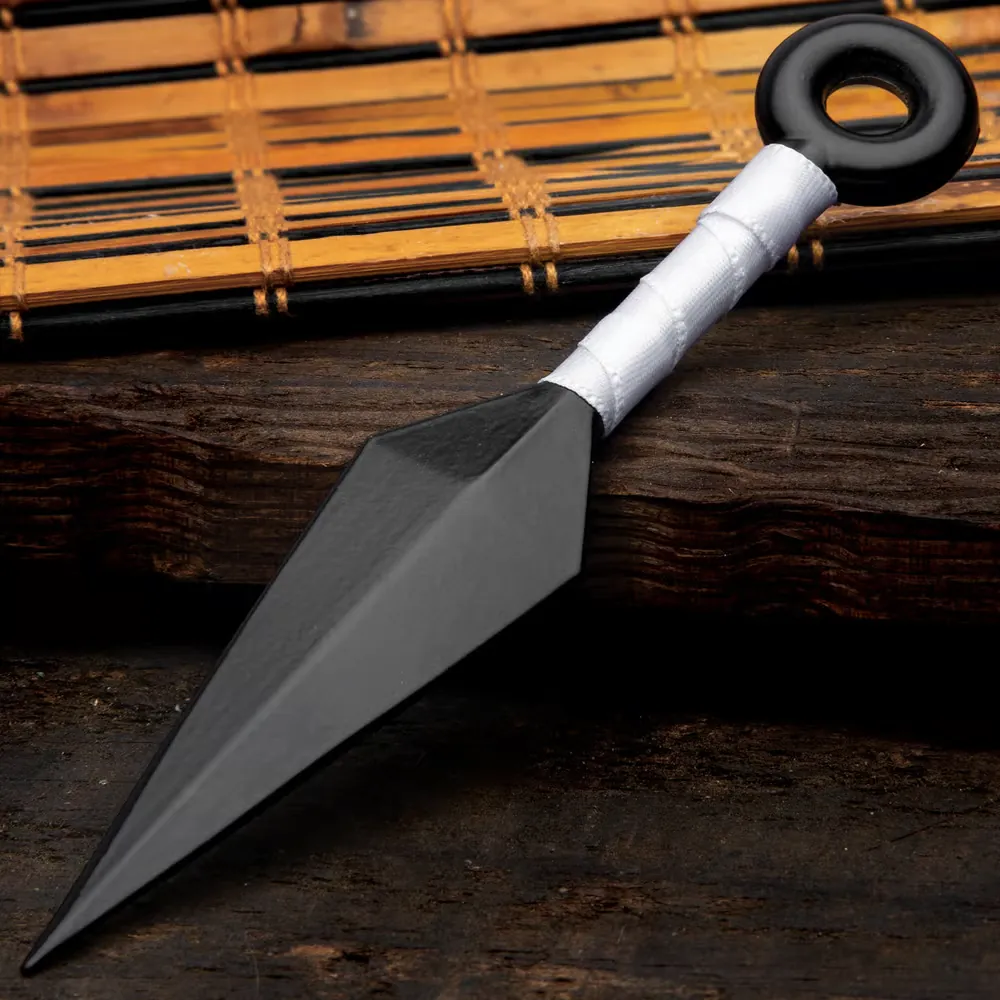
Thanks to anime and video games, the kunai has become one of the best known ninja items. In popular culture it is usually shown as a throwing knife. The real story is more practical.
A tool first
A kunai is a leaf shaped blade with a handle, often with a ring at the end. It is widely described as a farming or building tool used for digging, prying and making holes, rather than a purpose built weapon. Because it was a common tool, someone carrying one would not attract attention.
How it may have been used
A sturdy tool like a kunai could be used to dig, to pry open gaps, as a handhold or wedge when climbing, and if needed as a stabbing implement at close range. The ring at the end could be used to attach a cord. Like many ninja tools, its value came from being versatile and unremarkable.
Kunai vs shuriken
A kunai is not a shuriken. Shuriken are small throwing weapons, either straight spikes (bo-shuriken) or flat star shapes. A kunai is a heavier, multi-purpose tool. The idea of ninja throwing handfuls of kunai comes mostly from modern fiction.
What it tells us about ninjutsu
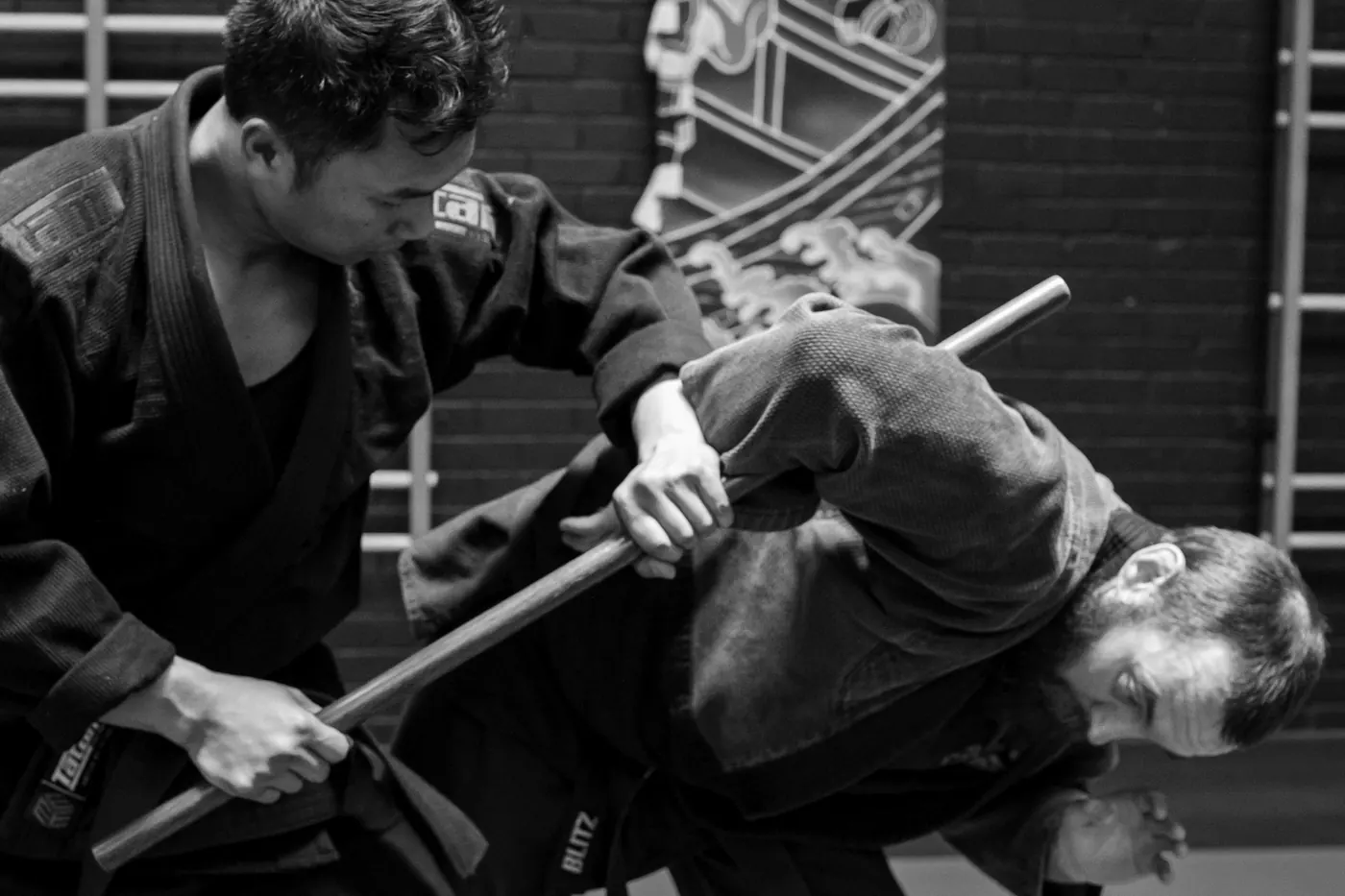
The kunai reflects an important idea in ninjutsu: use what is available. In Bujinkan training we learn to use everyday objects for self defence, such as a walking stick (like a hanbo), a length of cord or a jacket. That practical mindset is far more useful today than any particular weapon.
Is a kunai legal?
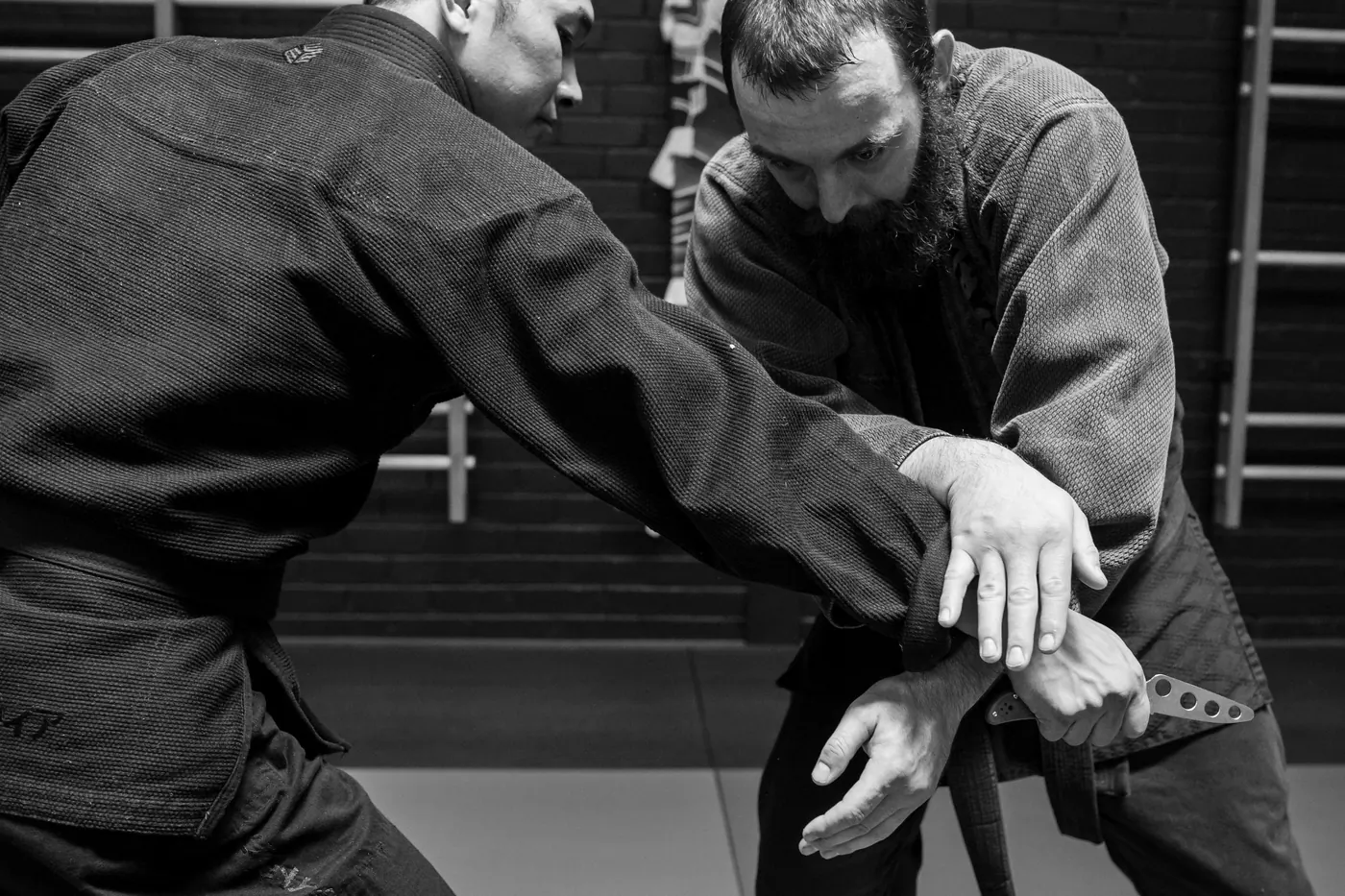
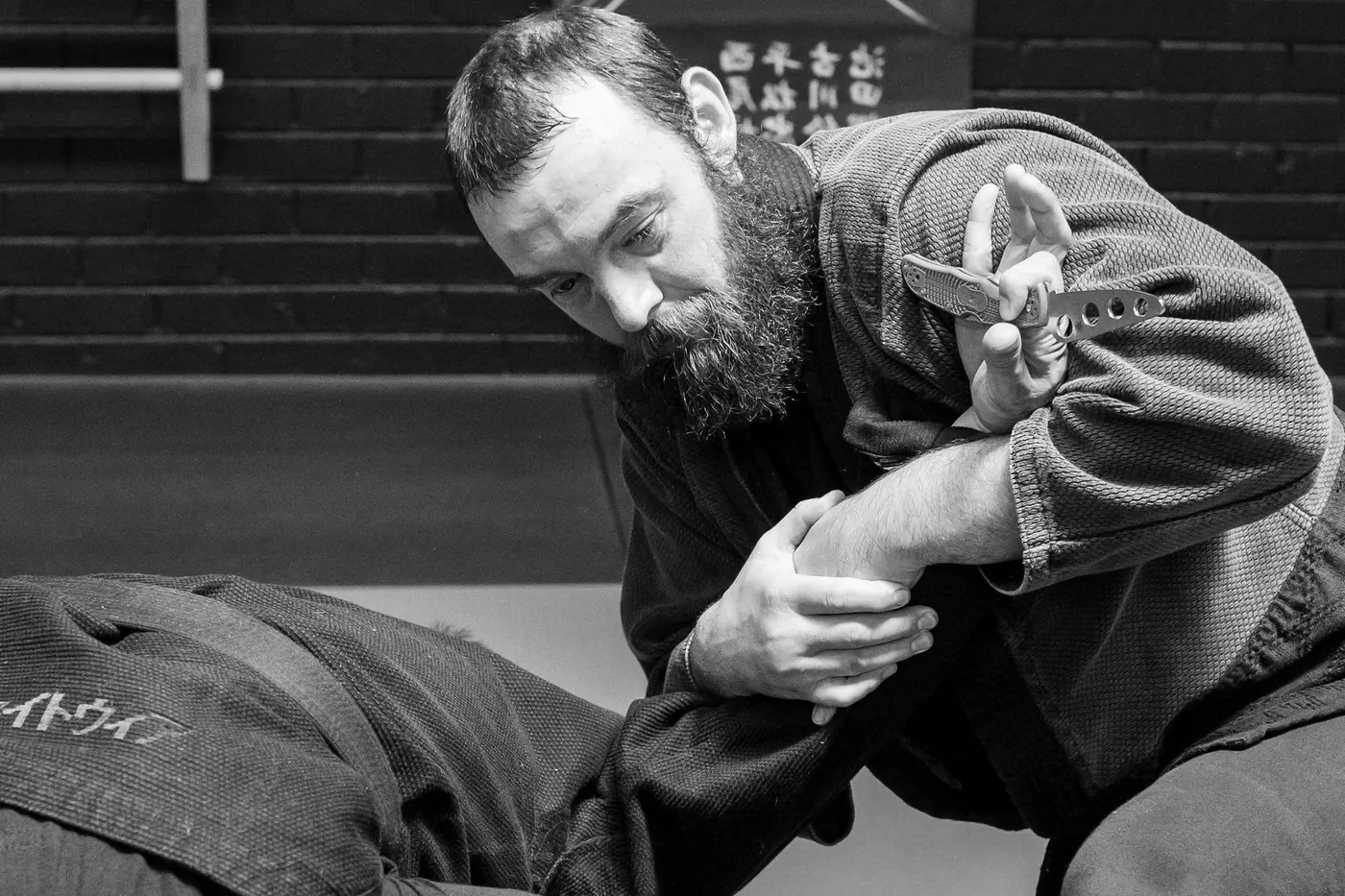
Bladed items are covered by Victoria's weapons laws. Knives that are not prohibited weapons are controlled weapons, and some blades are prohibited depending on design. See our post on weapons laws in Victoria. At our dojo all bladed weapons are trained with wooden or blunt training replicas.
Kunai in popular culture
The kunai you see in anime and video games is usually slim, double edged and thrown in handfuls. That image owes more to modern storytelling than to history. Real tools described as kunai are generally heavier and more robust, built to take force rather than to fly through the air.
The ninja and everyday tools
The kunai fits a wider pattern in the history of the ninja. Many of the items associated with ninja were ordinary tools: things for farming, building or travelling that could be carried openly and adapted when needed. A person carrying an obvious weapon draws attention; a person carrying a tool does not. That idea of hiding in plain sight runs through the real history of ninjutsu, which you can read more about in our post on the real history of the ninja.
What we train instead
We don't train with kunai. Instead, our weapons syllabus covers three groups that teach the same practical lessons:
- Blunt weapons: the hanbo (3 foot staff), jo (4 foot staff) and bo (6 foot staff).
- Flexible weapons: the kasarifundo (short rope), hojojutsu (rope tying) and clothing.
- Sharp weapons, using wooden replicas: the tanto (knife), shoto (short sword) and katana.
We also train bo-shuriken on our indoor range. Learning against a blade, even a wooden one, sharpens awareness, footwork and distance, and it connects directly to the knife defence that is part of our regular classes.
Why this still matters today
Most people will never need a kunai. But the mindset behind it, staying aware, using what is around you and not drawing attention, is genuinely useful for modern self defence.
Train with traditional ninja weapons
See how traditional weapons training improves your self defence. Book a $19.95 trial using the form below, or call 03 9495 1929. You are not under any obligation to join at the end of your trial.