 Ninjutsu Melbourne
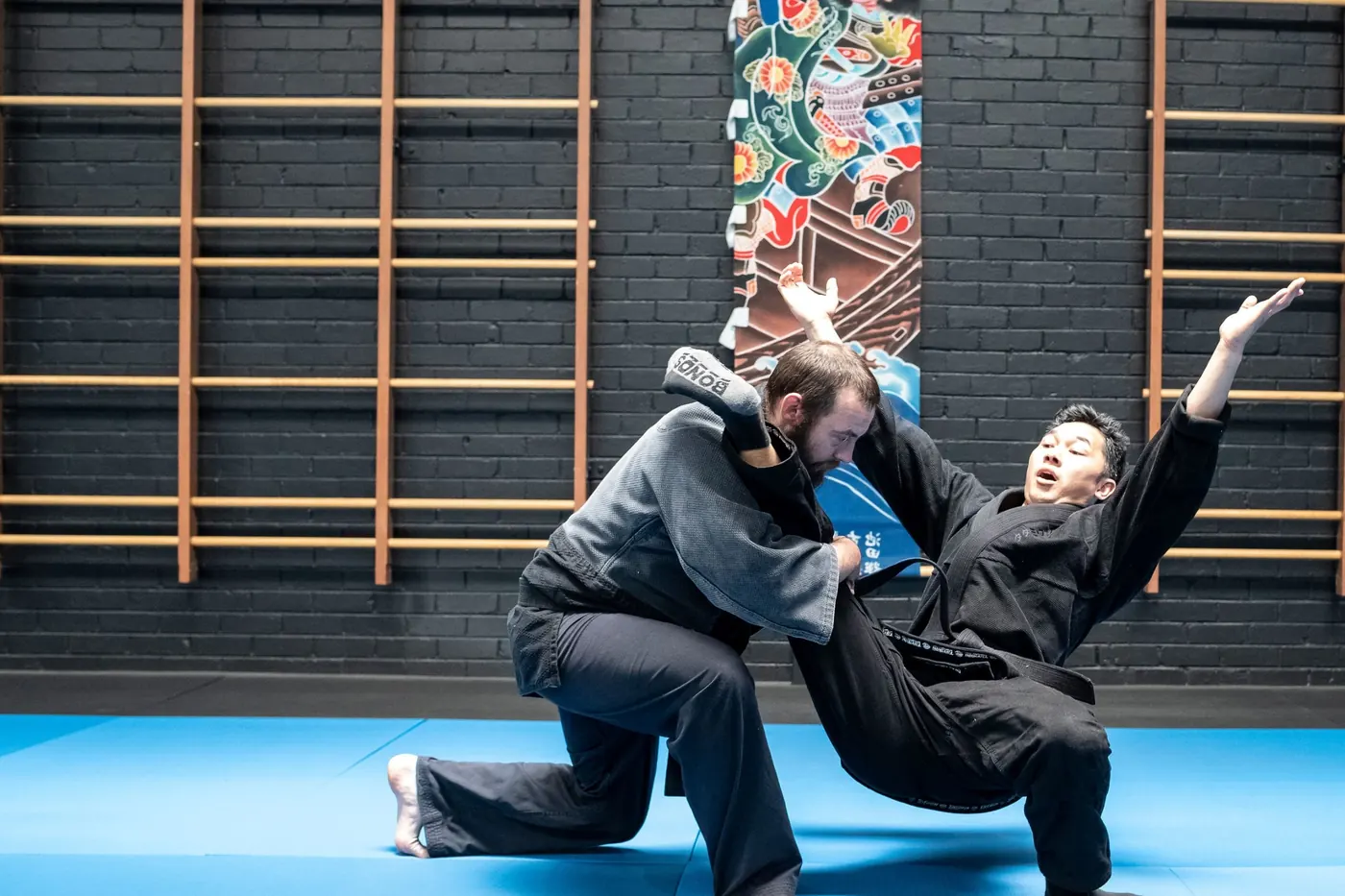
What is pressure testing?
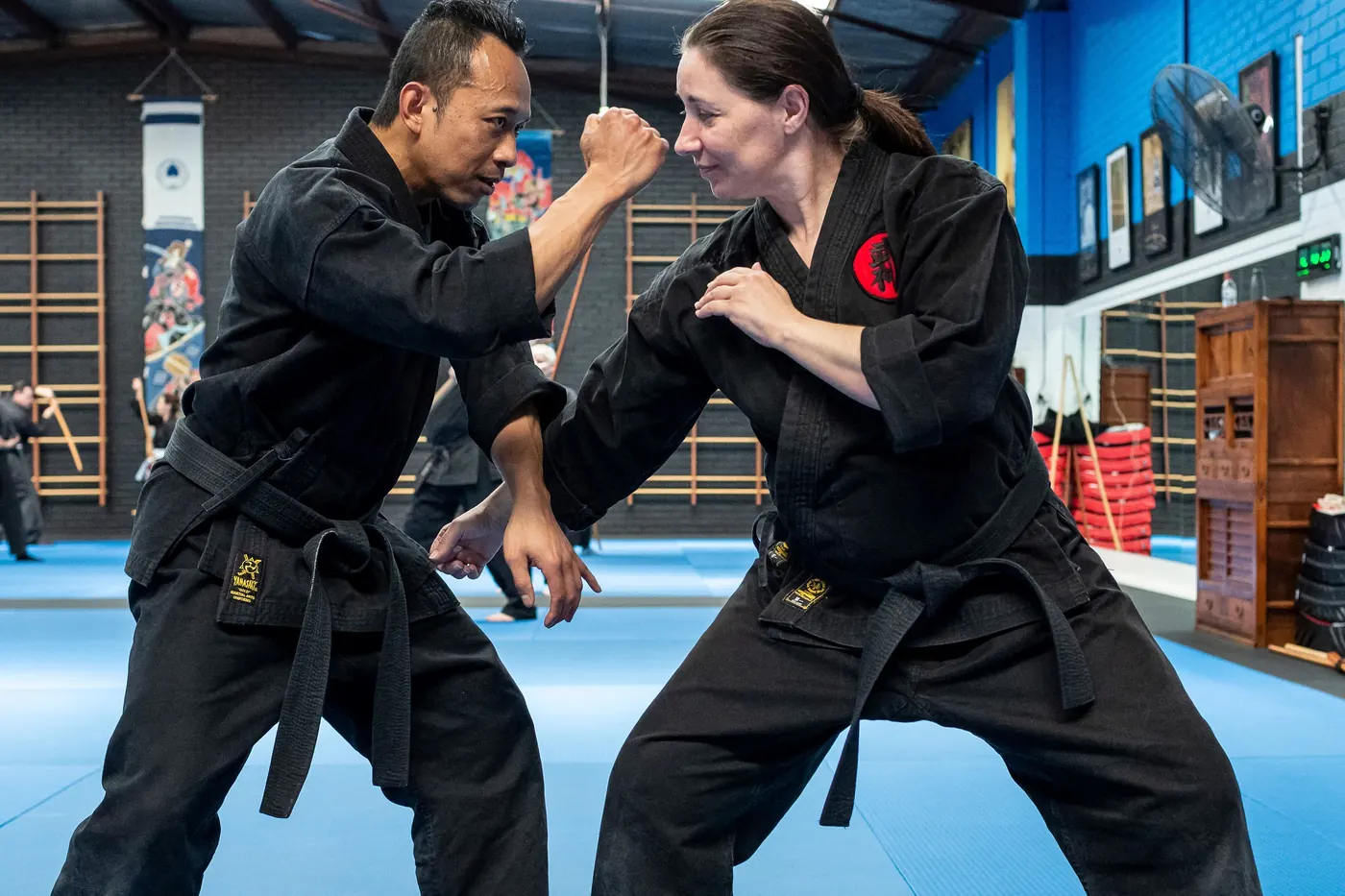
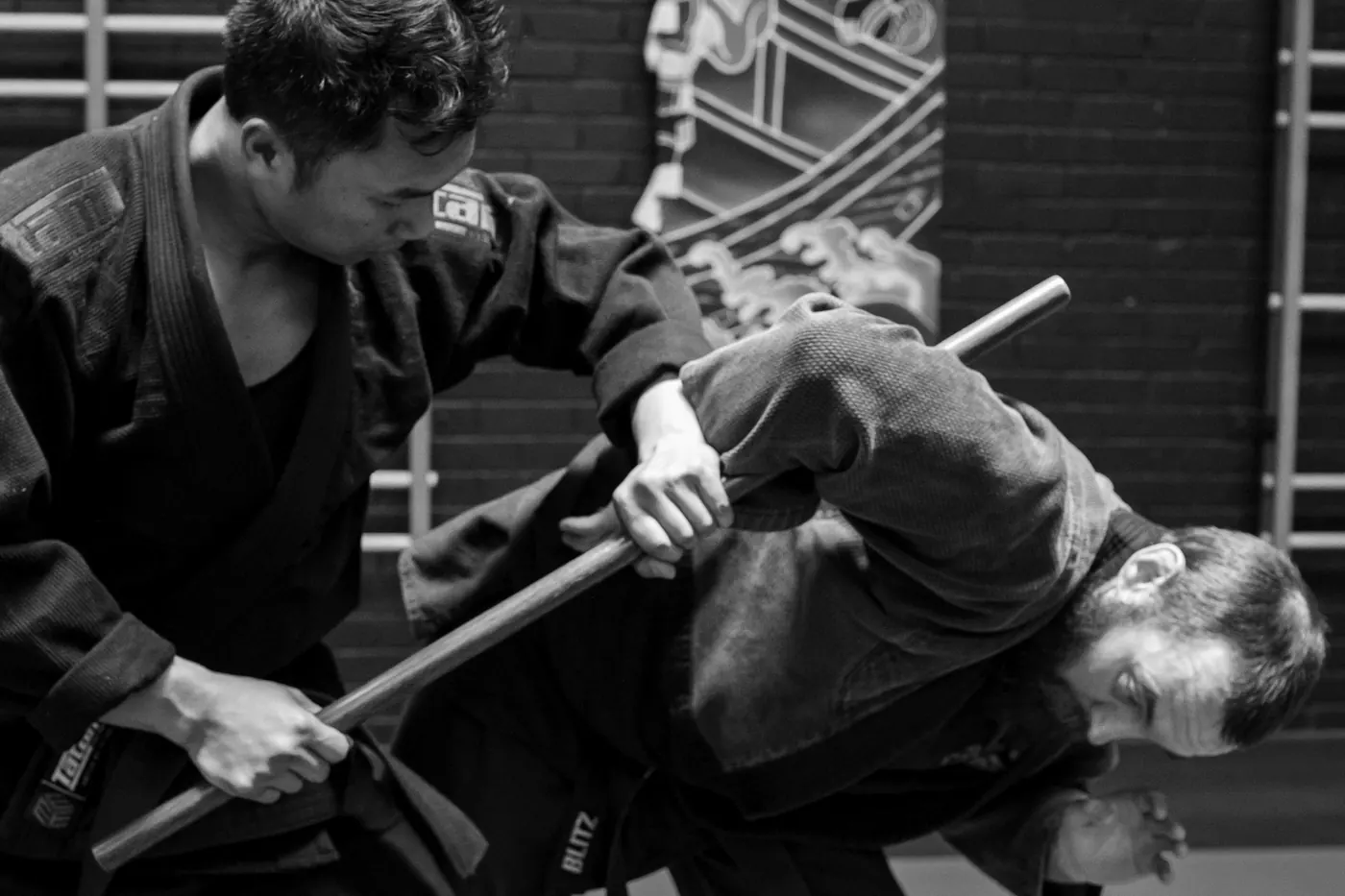
Pressure testing in our dojo is different to sparring. We isolate an area of study and place a student under pressure so they can find out how they naturally respond. It might be against grabs, punches or kicks, but it is always against multiple opponents. As soon as you have dealt with one attacker there is another waiting to take their place, with no chance to collect your thoughts or catch your breath in between. This may go on for some time, with students rotating in and out of the attacker and defender roles.
Why pressure testing matters
Most martial arts techniques are learned slowly, with a cooperative partner and time to think. A real confrontation is nothing like that. Under stress the body releases adrenaline, the heart rate jumps, breathing becomes shallow, vision narrows and fine motor skills get worse. Techniques that felt easy in a calm class can suddenly disappear.
Pressure testing gives you a safe way to experience that stress in the dojo, so it is not the first time you feel it when it really matters. By training under pressure regularly, you learn how your own body reacts and how to stay calm, keep breathing and keep thinking.
What happens the first time
At first most students are very panicky and erratic. They often lose control of their breathing and forget to breathe, even though they know they are safe. Another common response is to get stuck in a loop of doing the same defence over and over (omote gyaku and front kicks are common) instead of being able to apply a wide range of techniques from their training.
That is completely normal, and it is exactly why we train this way. Finding out where your techniques fall apart under stress shows you what to work on next.
How students improve
With practice they settle down: their clear thinking returns, their breathing normalises and they are back in the game again. Over time students learn to move rather than freeze, to keep their eyes up and aware of the next attacker, and to choose simple, effective techniques instead of complicated ones.
Students also learn a lot from the attacker role. Feeding realistic attacks, at the right level of pressure for your partner, teaches control, timing and an understanding of how real attacks are delivered.
Is pressure testing safe?
Yes. Pressure is added gradually, attackers work at a level that suits the person defending, and protective equipment is used when the drill calls for it. Pressure testing is part of training for higher grade adults and for our Junior Adults (11 to 15) programme. There is no pressure testing for our Ninja Stars or Samurai Warriors classes.
Pressure testing, sparring and throwdowns
Pressure testing works alongside our sparring and randori training. Sparring tests your techniques against random attacks at a pace you can succeed at, while pressure testing focuses on one area of study against multiple opponents. In the past we have also taken part in and hosted throwdowns, open mat events against other martial arts styles. Together they make sure our Bujinkan Ninjutsu works when someone is really trying.